
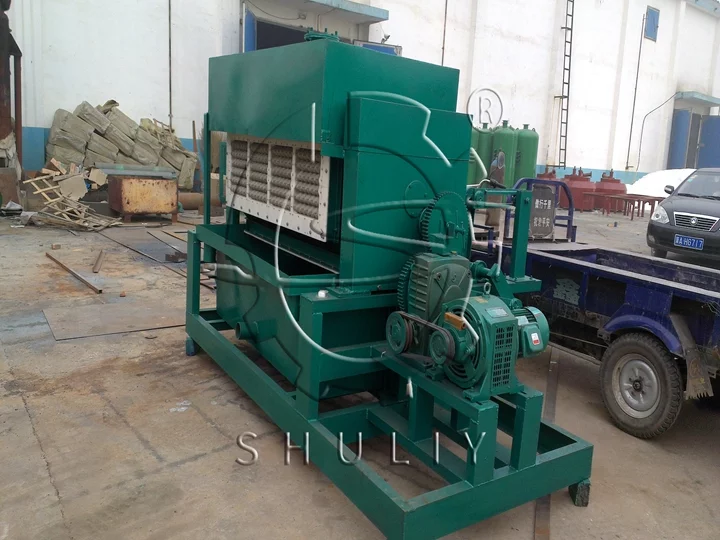
If you are planning to start a paper egg tray manufacturing business, one of the first questions to consider is how much waste paper is needed to produce 3,000–3,500 egg trays per hour. Raw material consumption directly affects production costs, storage requirements, and the overall operation of an egg tray production line.
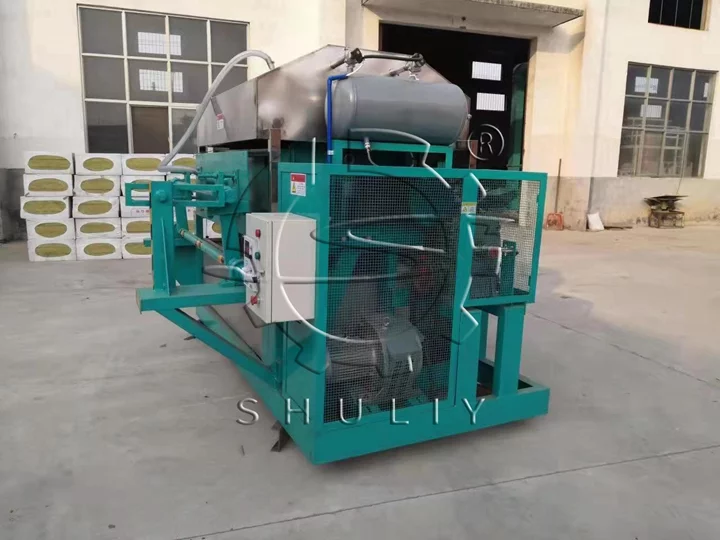
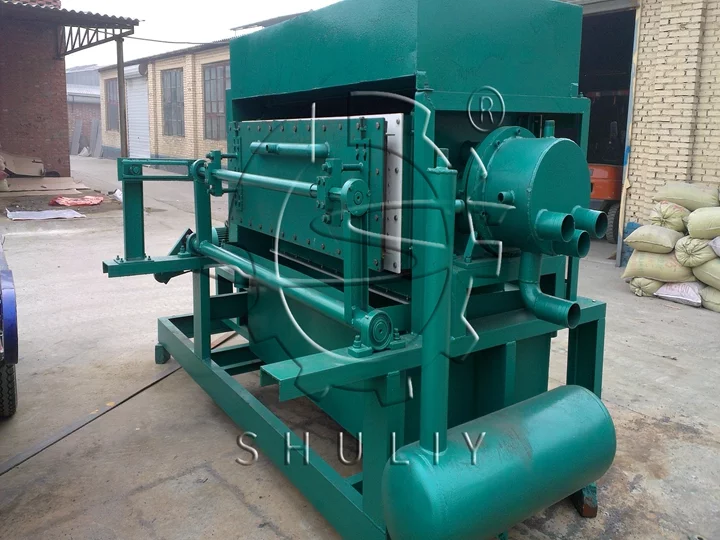
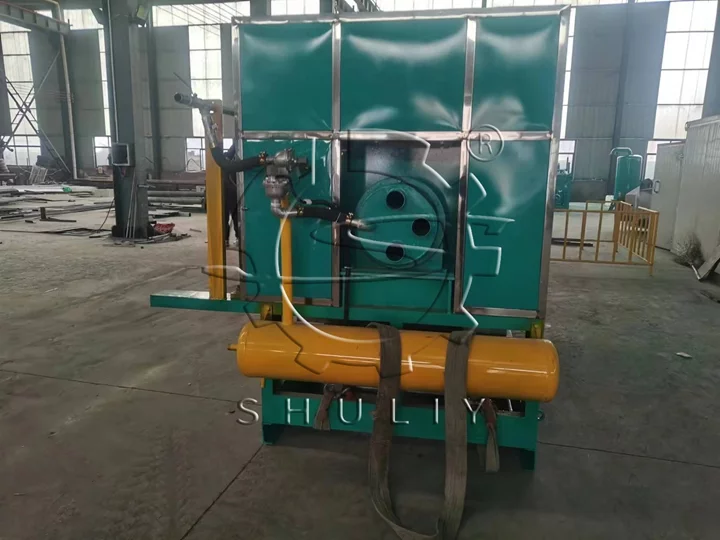
For the 3000–3500 pcs/h paper egg tray machine, the standard paper consumption is about 280 kg of waste paper per hour. The machine is designed for medium-scale production and can process recycled paper into egg trays and other molded paper products.
How Much Waste Paper Does a 3000–3500 Pcs/H Egg Tray Machine Need?
그만큼 3000–3500 pcs/h egg tray machine uses approximately 280 kg of waste paper per hour under the standard configuration.
This means the approximate paper requirement can be calculated as follows:
| Production Time | Waste Paper Needed |
|---|---|
| 1 hour | 280 kg |
| 8 hours | 2,240 kg |
| 10 hours | 2,800 kg |
| 24 hours | 6,720 kg |
For example, if the machine operates for 8 hours per day, the theoretical daily paper requirement is around 2.24 tons.
Actual consumption can vary depending on raw material quality, pulp concentration, product specifications, production efficiency, and operating conditions. Therefore, it is better to use 280 kg/h as the standard planning figure rather than treating it as a fixed consumption rate.
What Types of Waste Paper Can Be Used?
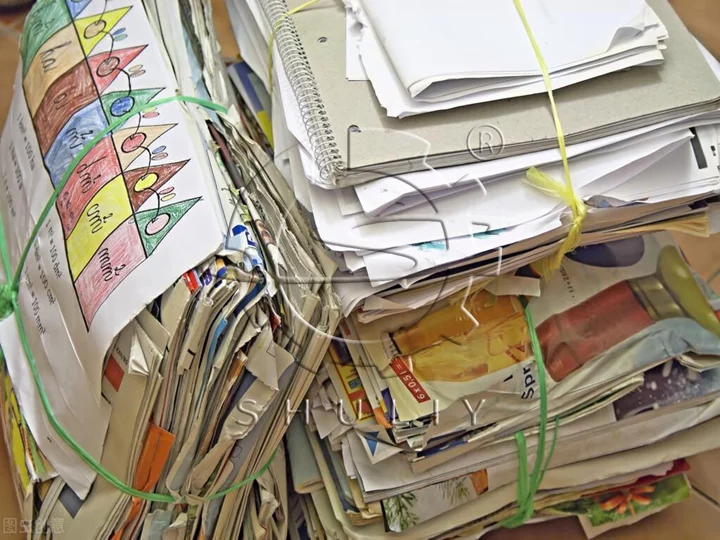
Paper egg tray production is based on recycled paper pulp, so manufacturers have several potential raw material sources. Common materials include waste cartons, old newspapers, used books, office paper, and other recyclable paper products.
Before purchasing large quantities of waste paper, it is important to evaluate:
Paper Cleanliness
Excessive plastic, metal, tape, or other contaminants can affect pulping and forming. Cleaner raw materials generally make pulp preparation easier.
Fiber Quality
Different waste papers contain different fiber characteristics. The fiber condition can influence the strength and surface quality of the finished egg trays.
Moisture Content
Wet waste paper weighs more than dry paper. Therefore, when calculating raw material costs, buyers should distinguish between the purchased weight and the actual dry paper content.
Local Availability
For an egg tray manufacturing business, sourcing waste paper locally can help reduce transportation and storage costs. It is worth checking local paper recycling stations, printing businesses, supermarkets, packaging companies, and other potential suppliers.
What Other Factors Affect Waste Paper Consumption?
The rated 280 kg/h provides a useful baseline, but several factors can change actual material consumption.
- Egg tray size and design: Different molds and tray structures may require different amounts of pulp.
- Raw material composition: Different grades of waste paper contain different fiber compositions and moisture levels.
- Production efficiency: Startup, shutdown, mold cleaning, and rejected products can increase actual material consumption.
- Pulp preparation: Inconsistent pulp quality can result in forming problems and additional production waste.
- Finished tray requirements: Stronger or heavier trays may require more fiber than lightweight packaging trays.
For this reason, businesses should calculate raw material requirements based on their specific product and working schedule rather than relying only on the rated machine capacity.
How to Plan Waste Paper Supply for Your Egg Tray Production Line?
Before starting production, it is helpful to establish a stable waste paper supply chain. Based on the standard consumption of 280 kg/h, an 8-hour production schedule requires about 2.24 tons of paper per day.
A practical purchasing plan should also allow some additional inventory for:
- Raw material quality variations.
- Production losses.
- Unexpected supplier delays.
- Increased production demand.
- Maintenance and startup requirements.
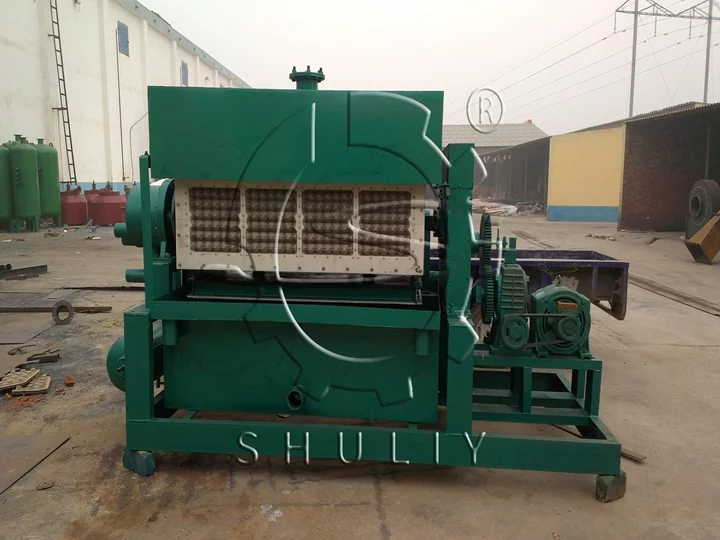
Maintaining a stable supply of suitable waste paper can help keep the 종이 계란 트레이 기계 running consistently and reduce production interruptions.
결론
So, how much waste paper is needed to make 3,000–3,500 egg trays per hour? Based on the standard specifications of the 3000–3500 pcs/h paper egg tray machine, the answer is approximately 280 kg of waste paper per hour.
For an 8-hour production day, this equals about 2.24 tons of waste paper. This figure provides a useful starting point for calculating raw material purchasing, storage, and production costs.
If you are planning a paper egg tray manufacturing business, the right machine capacity should be selected together with your available waste paper supply, target output, drying system, and local market demand. A customized production line can help match the equipment configuration to your actual production requirements.